Why Modern Nutrition Platforms Are Revolutionizing How We Track Our Health
The fitness and nutrition industry has undergone a dramatic transformation over the past decade. Gone are the days when fitness enthusiasts relied solely on printed nutrition guides or static PDF documents to understand their dietary intake. Today, interactive calorie calculators and dynamic nutrition platforms have become the gold standard for anyone serious about managing their health and fitness goals. This shift represents far more than just a technological upgrade—it’s a fundamental change in how we approach nutrition tracking, meal planning, and achieving sustainable results.
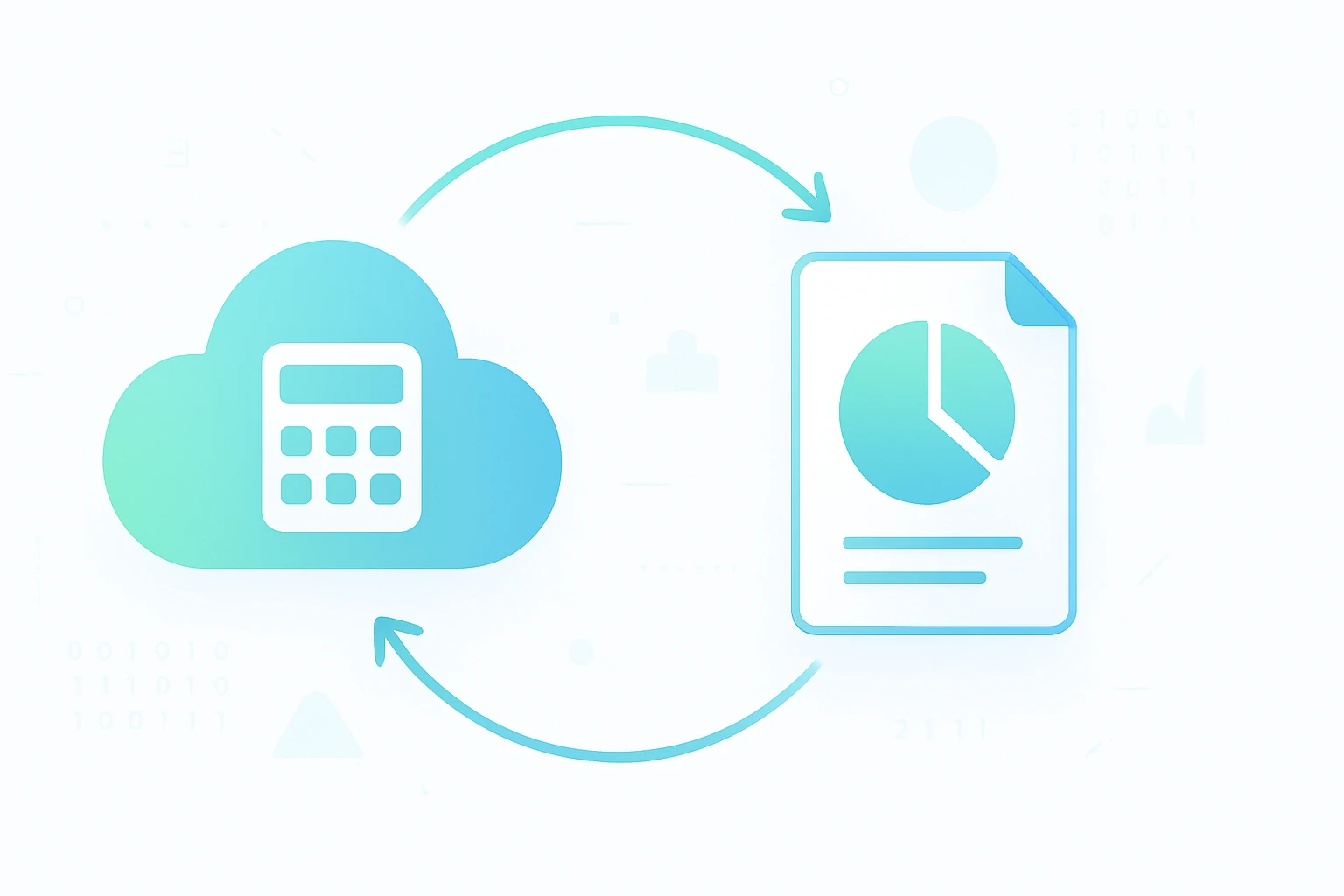
The contrast between traditional static PDF guides and modern platforms like Calorie Calculator Cloud reveals just how outdated the old methods have become. While PDF guides served their purpose in the pre-digital era, they lack the adaptability, accuracy, and personalization that today’s health-conscious individuals demand. Understanding these differences isn’t just about staying current with technology; it’s about making informed decisions that directly impact your health outcomes.
The Limitations of Static PDF Nutrition Guides
Why Paper-Based Approaches Fall Short in the Modern Fitness Era
Static PDF nutrition guides have been a staple of the fitness industry for decades. They typically contain predetermined calorie counts for common foods, general macronutrient breakdowns, and one-size-fits-all recommendations that rarely account for individual variations. While they served a legitimate purpose during the pre-smartphone era, these documents suffer from several fundamental limitations that make them increasingly inadequate for serious nutritional tracking.
First and foremost, static PDFs are inherently inflexible. Once printed or downloaded, they cannot adapt to new information, updated research, or personalized calculations based on your unique body composition, activity level, and fitness goals. If you weigh 150 pounds one month and 145 pounds the next, your static PDF guide remains unchanged. The calorie recommendations printed in 2015 don’t account for the newest nutritional science available in 2026.
Storage and organization present another significant challenge. Most people accumulate multiple PDF guides throughout their fitness journey, leading to confusion about which recommendations to follow. A guide focused on weight loss might contradict another designed for muscle gain. Without a centralized system, users often become overwhelmed trying to coordinate information from disparate sources.
The Problem with Outdated Nutritional Data
Nutritional information changes as research evolves and food manufacturers update their products. A PDF guide created five years ago contains nutritional data that may no longer reflect current products. USDA nutritional databases are continuously updated with new findings, but static PDFs never receive these updates. When you’re relying on a printed or static document, you’re potentially using outdated information that could undermine your fitness progress.
Additionally, static guides typically feature limited food databases. They might include 500-1000 common foods but lack options for specialty items, restaurant meals, or international cuisines. This creates blind spots in nutrition tracking and forces users to make rough estimates rather than precise calculations.
The Rise of Interactive Nutrition Platforms
Understanding What Modern Calorie Calculators Bring to the Table
Modern nutrition platforms represent a quantum leap forward in functionality and user experience. These dynamic tools integrate real-time data, artificial intelligence, and personalization algorithms to deliver nutrition guidance that evolves with your needs. Unlike static PDFs, interactive platforms like Calorie Calculator Cloud continuously adapt to changing circumstances and provide actionable insights based on your specific situation.
The core advantage of interactive platforms lies in their comprehensive food databases. Professional nutrition tools access databases containing over 106,000 foods from reliable sources including manufacturer data, restaurant menus, grocery store information, and the latest USDA Standard Reference. This breadth of options means you can accurately track virtually any food you consume, from common staples to exotic ingredients.
Real-time calculation capabilities distinguish modern platforms from their static predecessors. When you input your age, weight, height, activity level, and fitness goals into an interactive calculator, the system instantly generates personalized recommendations. If your circumstances change—you lose weight, increase your training intensity, or modify your goals—the calculations update immediately to reflect your new reality.
Personalization at Scale: The Algorithm Advantage
Modern nutrition platforms employ sophisticated algorithms that consider dozens of variables simultaneously. These systems account for factors like your basal metabolic rate (BMR), activity level multipliers, individual response patterns, and goal timelines. When you use a static PDF, you’re getting generic recommendations. When you use an interactive platform, you’re receiving guidance specifically calibrated for your body and circumstances.
The Calorie Calculator Plans offered by leading platforms typically include progressive features. Basic tiers might provide fundamental calorie calculations, while premium options integrate macronutrient breakdowns, meal planning suggestions, progress tracking, and integration with fitness devices. This scalability means users can start simple and gradually access more sophisticated features as their fitness journey progresses.
Comparing the User Experience: PDF vs. Interactive Platforms
Accessibility and Convenience
Static PDF guides require active retrieval and manual calculation. If you want to know the calorie content of a meal, you must locate the guide, flip to the relevant section, and perform arithmetic. This friction discourages consistent usage. Users often abandon tracking because the process becomes tedious.
Interactive platforms eliminate this friction through intuitive interfaces and instant results. Most modern nutrition calculators feature search functions, mobile applications, and voice input options. You can quickly look up a food, adjust serving sizes, and get immediate nutritional information. This convenience dramatically improves compliance rates—users who find tracking easy are significantly more likely to maintain consistent tracking habits.
Data Visualization and Progress Tracking
Static PDFs provide no mechanism for tracking progress over time. You cannot graph your caloric intake across weeks or months, identify eating patterns, or visualize improvements toward your goals. Modern nutrition platforms excel in this area, offering sophisticated dashboards, progress graphs, and trend analysis.
Visual feedback is psychologically powerful. Seeing a downward trend in your weight graph or observing that your daily protein intake has consistently met targets provides motivation and reinforcement. These visual elements are absent from static PDFs, representing a significant psychological disadvantage for users seeking long-term behavior change.
Integration with Digital Ecosystems
Today’s fitness enthusiasts often use multiple digital tools—fitness trackers like Fitbit, training apps, wearable devices, and health platforms. Modern nutrition calculators integrate seamlessly with these ecosystems. Data can flow automatically between your fitness tracker and nutrition platform, creating a unified health dashboard.
Static PDFs offer no integration capabilities. Your workout data remains siloed from your nutrition tracking, making it impossible to correlate training volume with caloric needs or analyze how nutrition impacts performance. This fragmentation diminishes your ability to optimize your overall health strategy.
Technical Capabilities That Separate Modern Platforms
Database Accuracy and Reliability
Professional nutrition calculation tools source their data from authoritative bodies. Platforms access nutritional information from the USDA Nutrition Database, restaurant chains, food manufacturers, and published research. This multi-source approach ensures accuracy that static guides simply cannot match.
When you search for “chicken breast” in a modern platform, the system doesn’t rely on generic approximations. Instead, it can differentiate between fried chicken, grilled chicken, different portion sizes, and specific brand variations. Each returns precise nutritional data based on actual product information rather than educated guesses.
Macro and Micronutrient Analysis
Beyond basic calorie counting, advanced nutrition platforms provide comprehensive macro and micronutrient analysis. You can track not just calories but also protein, carbohydrates, fats, fiber, vitamins, minerals, and dozens of other nutritional components. This level of detail is essential for serious fitness enthusiasts pursuing specific body composition goals.
Static PDFs typically limit micronutrient tracking due to space constraints. A printed guide might show protein and carbohydrates but omit information about sodium, potassium, calcium, or micronutrients. Modern platforms make this detailed tracking not just possible but accessible and easy to understand.
Export and Report Generation
Professional nutrition analysis tools can generate comprehensive reports in multiple formats including PDF, Excel, and Word documents. These reports synthesize your nutritional data over specified periods, providing summaries that healthcare professionals, coaches, or nutritionists can review and analyze. Some platforms, like NutritionCalc Plus, can generate reports up to 15 pages long with detailed breakdowns, graphs, and recommendations.
This reporting capability creates a bridge between personal tracking and professional guidance. You can share your nutrition data with a dietitian or health coach for expert analysis and personalized recommendations. Static PDFs provide no mechanism for this kind of professional collaboration and feedback.
Real-World Applications and Use Cases
Fitness Enthusiasts and Body Composition Goals
For individuals focused on muscle gain or fat loss, precision nutrition tracking directly impacts results. An interactive platform allows you to track macronutrient ratios with exactitude, ensuring you consume adequate protein for muscle synthesis while maintaining caloric deficits or surpluses appropriate for your goals. The feedback loop—adjusting intake based on results and performance—requires real-time calculation that static guides cannot provide.
Someone pursuing a competitive physique goal might need to adjust their macronutrient split weekly based on progress photos and strength metrics. A static PDF guide cannot accommodate this level of dynamic adjustment. An interactive platform makes these modifications seamless and instantaneous.
Medical and Clinical Nutrition Management
Healthcare professionals and registered dietitians increasingly rely on sophisticated nutrition analysis tools. For patients with specific medical conditions—diabetes, heart disease, kidney disease, or gastrointestinal disorders—precise nutritional tracking becomes clinically important. The accuracy and reporting capabilities of modern platforms align with clinical standards and support evidence-based nutrition interventions.
Educational institutions also heavily depend on advanced nutrition software. Universities conducting nutrition research and dietetic education utilize specialized analysis software because static PDFs cannot support the level of detailed dietary assessment required for academic work and clinical research.
Restaurant Chains and Food Service Management
The food service industry increasingly utilizes nutrition labeling and calculation tools. Nutrition label generators help food manufacturers and restaurants create compliant nutrition facts labels. These interactive tools ensure FDA compliance and accuracy in a way that static templates cannot match. As regulatory requirements evolve, digital platforms automatically implement changes without requiring new document creation.
The Economics of Nutrition Tracking Solutions
Cost-Benefit Analysis
While static PDF guides are often free or very inexpensive, this represents a false economy. The value proposition of modern platforms—greater accuracy, time savings, superior results, and professional integration—often justifies reasonable subscription costs. Users who achieve their fitness goals 20% faster through superior tracking tools recoup the investment through faster results.
Consider a fitness enthusiast spending $100 annually on a premium nutrition platform. If this investment contributes to losing an additional 10 pounds of fat per year through more accurate tracking and adherence, the investment yields significant value in improved appearance, health, and confidence.
Business Model Considerations
Modern nutrition platforms employ varied business models. Some offer freemium models with basic functionality free and premium features available for subscription. Others charge monthly fees with tiered pricing based on feature access. Calorie Calculator Plans exemplify this approach, offering different levels to accommodate various user needs and budgets.
Professional-grade software for clinical or institutional use commands higher prices but delivers corresponding value through comprehensive features, data security, and professional support. The investment in these tools is often recouped through improved client outcomes and professional efficiency gains.
Integration with Wearable Technology and Fitness Tracking
Synergy Between Nutrition and Activity Data
Modern fitness ecosystems blur the line between nutrition tracking and activity monitoring. Wearable devices from manufacturers like Fitbit, Apple, and Garmin track daily activity, exercise duration, and calorie burn. When integrated with nutrition platforms, this data creates a comprehensive health picture.
This integration enables sophisticated analysis. The platform can calculate your total daily energy expenditure (TDEE) based on actual activity data rather than generic estimates. If your tracked calories burned diverges significantly from estimates, the platform adjusts your recommendations. This feedback loop drives continuous optimization impossible with static guidance.
Real-Time Feedback and Behavior Modification
Modern platforms can provide real-time alerts and feedback. If you’re tracking your nutrition daily and notice you’ve exceeded your target macronutrients before evening, you can immediately adjust subsequent meals. This immediate feedback loop drives behavior modification more effectively than retrospective analysis of printed tracking logs.
The Science Behind Nutrition Calculation
Metabolic Rate Estimation
Accurate nutrition guidance begins with understanding individual metabolic needs. Interactive platforms use established formulas and research-backed algorithms to calculate basal metabolic rate (BMR) and total daily energy expenditure (TDEE). These calculations account for individual variations that printed guides cannot address.
Different algorithms—Harris-Benedict, Mifflin-St Jeor, Katch-McArdle—produce varying results for individuals. Advanced platforms often allow users to select different calculation methods and compare results, empowering users with transparency about underlying assumptions. Static PDFs offer no such flexibility or transparency.
Macronutrient Distribution Optimization
Research increasingly demonstrates that optimal macronutrient ratios vary based on individual goals, activity patterns, and metabolic factors. Someone training for strength performance benefits from different protein targets than someone pursuing endurance. A sedentary person with metabolic syndrome requires different carbohydrate distribution than an athlete.
Modern platforms can incorporate these nuanced recommendations. Some platforms allow users to select from evidence-based macronutrient ratios tailored to specific goals. This customization represents a fundamental advantage over static guides presenting generic recommendations applicable to everyone.
User Experience Design and Interface Innovation
Mobile-First Design Philosophy
Contemporary nutrition platforms prioritize mobile accessibility. Most people track meals on smartphones throughout the day—entering breakfast information in the morning, searching for lunch calories at noon, and logging dinner in the evening. Static PDFs are inherently static and desktop-oriented, making them impractical for this usage pattern.
Modern platforms feature streamlined mobile interfaces optimized for quick data entry. Barcode scanning, voice input, photo recognition of meals, and autocomplete functions reduce friction in the tracking process. These features transform nutrition tracking from a tedious obligation into a manageable routine.
Gamification and Motivation Elements
Behavioral science demonstrates that gamification elements—progress bars, achievement badges, streak counters, and community challenges—significantly improve adherence to health behaviors. Modern nutrition platforms frequently incorporate these psychological motivators. Static PDFs offer none of these engagement mechanisms, contributing to lower compliance rates.
Data Security and Privacy Considerations
Protecting Sensitive Health Information
Modern platforms handle sensitive personal health data including weight, medical history, dietary restrictions, and health goals. Reputable platforms implement robust security measures including encryption, secure authentication, and compliance with health data regulations like HIPAA.
Static PDFs stored locally offer different security considerations. While they’re not cloud-based and thus not vulnerable to server breaches, they’re susceptible to device compromise or accidental deletion. Professional platforms typically maintain backups and employ redundancy to protect against data loss.
The Future of Nutrition Technology
Artificial Intelligence and Predictive Analytics
Emerging nutrition platforms increasingly incorporate artificial intelligence to predict outcomes and provide increasingly sophisticated recommendations. Machine learning algorithms can identify patterns in your eating behavior, activity level, and results to refine recommendations continuously. These capabilities are far beyond anything static guides could accomplish.
Future platforms may predict nutrient deficiencies before they develop, recommend meal adjustments based on predicted performance improvements, or identify food sensitivities through pattern analysis. These predictive capabilities represent the frontier of personalized nutrition science.
Integration with Genetic and Biomarker Data
As genetic testing becomes more accessible and affordable, nutrition platforms are beginning to integrate genetic data. Some platforms can adjust recommendations based on your genetic predispositions toward caffeine sensitivity, lactose intolerance, or nutrient absorption patterns. This represents truly personalized medicine—recommendations calibrated not just to your goals but to your genetic makeup.
Biomarker integration—incorporating blood work results, microbiome analysis, or other objective health metrics—enables even more sophisticated optimization. A platform knowing your actual micronutrient levels can recommend foods and supplements specifically addressing your deficiencies rather than providing generic recommendations.
Making the Transition: Practical Guidance for Users
Getting Started with Interactive Platforms
Transitioning from static PDF guides to interactive platforms requires minimal effort but delivers substantial returns. The first step involves selecting a platform aligned with your needs. Basic platforms like WebMD’s Food Calorie Counter offer free access to comprehensive food databases. Professional platforms like Precision Nutrition’s Ultimate Macro Calculator provide more sophisticated analysis for dedicated users.
Setup typically requires entering basic information: age, height, weight, activity level, and fitness goals. The platform calculates personalized recommendations within minutes. Many platforms offer tutorial content and guidance for first-time users, significantly reducing the learning curve.
Data Migration Strategies
If you’ve been tracking nutrition with static guides or previous systems, don’t lose that historical data. Many platforms can import historical information, allowing you to maintain continuity in your tracking timeline. This continuous data history enables superior analysis of long-term trends and progress.
Choosing the Right Platform for Your Needs
Selection criteria should include database size and accuracy, mobile interface quality, integration capabilities with your fitness devices, reporting features, and cost. For casual fitness enthusiasts, free platforms often suffice. For serious individuals pursuing specific body composition goals, fitness professionals, or those with medical nutrition needs, investing in premium platforms typically delivers superior value.
Addressing Common Objections to Modern Platforms
Privacy Concerns
Many people hesitate to share personal health information with digital platforms. This concern deserves respect. Reputable platforms maintain stringent privacy standards and often allow users to anonymize their data or download their information. Reading privacy policies and understanding data protection measures can alleviate concerns while identifying platforms with strong security practices.
Cost Barriers
While some platforms charge subscription fees, the cost is typically modest—$5-20 monthly. This represents a minimal investment compared to gym memberships, fitness equipment, or supplements. For users pursuing specific fitness goals, the value generated typically far exceeds the cost.
Complexity Concerns
Some people worry that modern platforms are overly complicated. In reality, most platforms prioritize user experience and accessibility. Basic functionality is straightforward—entering foods and receiving caloric information is as simple as static guides. Advanced features are optional for users wanting deeper analysis.
Real-World Success Stories
Case Study: Precision Nutrition Platform Users
Users of Precision Nutrition’s platform frequently report superior results compared to traditional approaches. The combination of personalized recommendations, macro optimization, and regular feedback creates an environment where users achieve their body composition goals more consistently. Community testimonials consistently highlight how personalization and real-time feedback transformed their approach to nutrition.
Clinical Application Examples
Healthcare professionals employing advanced nutrition analysis software consistently achieve better patient outcomes than those relying on generic recommendations or static guidance. Patients with diabetes, obesity, or cardiovascular disease managed with precise nutrition tracking demonstrate superior metabolic improvements and better adherence to recommended dietary interventions.
The Environmental Perspective
From an environmental standpoint, digital platforms represent progress over printed guides. Static PDFs frequently get printed, creating physical waste and consuming paper resources. Digital platforms eliminate this waste entirely. Users concerned about environmental impact should favor digital solutions over printed materials.
Conclusion: Why Modern Platforms Matter
The evolution from static PDF guides to interactive nutrition platforms represents genuine progress in health technology. Modern platforms provide superior accuracy, greater personalization, better integration with digital ecosystems, and enhanced user experience compared to their static predecessors. While static PDFs served a purpose historically, their limitations increasingly outweigh their minimal cost advantage.
For anyone serious about nutrition, fitness, or health optimization, transitioning to an interactive platform is a logical choice. Whether you select Calorie Calculator Cloud for comprehensive analysis, Precision Nutrition’s macro calculator for detailed macronutrient tracking, or specialized software for clinical applications, the benefits far exceed the modest investment required.
The future of nutrition guidance is interactive, personalized, data-driven, and intelligent. By embracing modern platforms today, you position yourself to benefit from continuous technological improvements while achieving superior results in your fitness and health journey. Don’t let outdated tools hold back your progress—upgrade to interactive nutrition technology and experience the difference modern science and design can make.