Why healthcare startups are turning nutrition into a growth engine
Healthcare startups operate in a market where trust, personalization, and speed matter more than ever. Whether you are building a digital clinic, a telehealth platform, a wellness membership, or a medtech nutrition SaaS, the challenge is the same: how do you turn anonymous website visitors into qualified leads without making the experience feel cold or transactional?
That is where Calorie Calculator Cloud stands out. It is not just a widget that estimates calories. It is a highly practical lead generation tool that helps health and fitness businesses collect meaningful user data, personalize the visitor journey, and create a more valuable first interaction. For healthcare startups, that means more than engagement. It means a smarter funnel.
If your product sits anywhere near nutrition, preventive health, weight management, patient onboarding, or lifestyle medicine, a healthcare calorie calculator cloud can become one of the simplest ways to improve conversion rates while delivering immediate value. And if you are positioning your startup as a medtech nutrition saas, a well-placed calculator can support both acquisition and activation in a way that feels native to your product.
What a calorie calculator does for a healthcare startup funnel
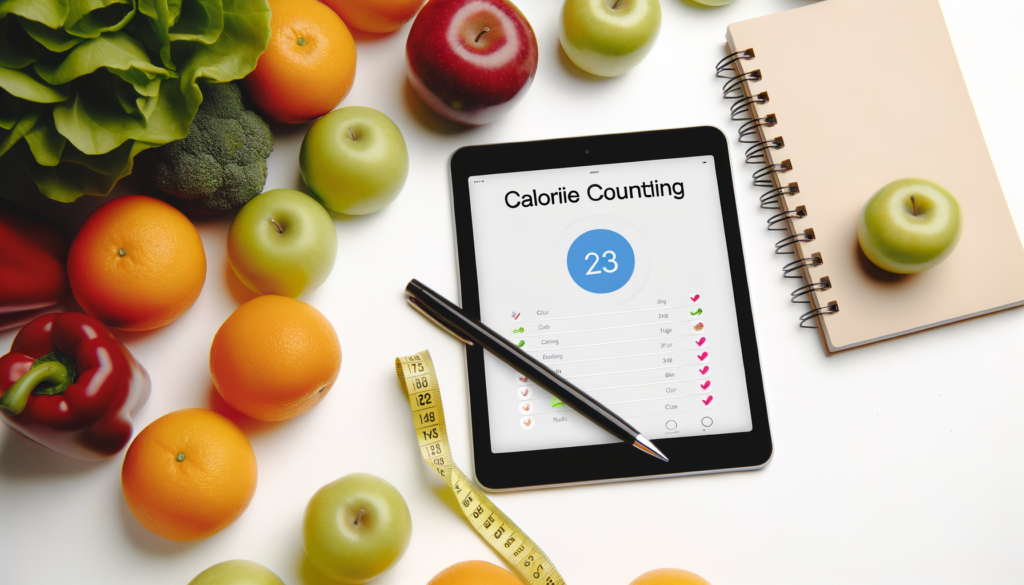
A calorie calculator is deceptively simple on the surface. A visitor enters age, sex, height, weight, and activity level, then receives an estimated calorie range, sometimes with macro guidance or a personalized recommendation. But from a startup growth perspective, that interaction does much more.
It creates a useful exchange: the user gets an immediate, personalized result, and your business gets a better understanding of who that user is, what they may need, and how ready they are to take the next step. In healthcare and nutrition, that kind of exchange is powerful because it feels helpful rather than intrusive.
How the value exchange works
Traditional lead magnets often ask for an email address before offering value. A calorie calculator flips that sequence. The user first experiences a helpful result, which increases trust and reduces friction. After that, you can introduce an email capture, consultation offer, app download, assessment summary, or onboarding flow.
This is especially useful for startups because early-stage products often need to prove relevance before asking for commitment. A calculator acts as a lightweight proof point.
Why personalization matters in health tech
Users expect healthcare experiences to feel tailored. Generic landing pages and static PDF downloads rarely reflect the personal nature of nutrition and health goals. A calculator helps your brand deliver a more personalized first impression, which is especially important if your product addresses:
- Weight management programs
- Telehealth nutrition assessments
- Preventive wellness services
- Metabolic health education
- Patient intake for dietitians and coaches
- Subscription-based nutrition guidance
How Calorie Calculator Cloud fits the needs of medtech and health startups
Many healthcare startups need more than a simple estimator. They need a tool that can be embedded quickly, adapted to their brand, and used as part of a broader conversion strategy. That is where Calorie Calculator Cloud becomes especially useful.
According to the way the platform is positioned, it is designed to help health and fitness businesses attract visitors, gather useful parameters, and support personalized recommendations. For founders and growth teams, that makes it a practical asset in the top and middle of the funnel.
Built for lead generation, not just calculation
In a startup setting, the most valuable tools are the ones that do more than one job. A calculator can:
- Increase time on page
- Improve engagement on landing pages
- Encourage visitors to self-identify their goals
- Segment leads by interest level or health intent
- Support follow-up campaigns with more relevant messaging
This matters because generic traffic is expensive. By contrast, a calculator can help you convert a broader audience into a structured lead pool with better context attached.
Useful for both acquisition and activation
Most startups think of calculators only as marketing assets. In reality, they can also improve product activation. For example, a wellness app might use the calculator as a first step before asking the user to create a profile. A digital clinic might use it before booking a nutrition consultation. A meal-planning platform might use it to generate more relevant recommendations.
If your startup is trying to connect frontend education with backend service delivery, a medtech nutrition saas strategy becomes more effective when the user experiences utility before conversion.
Best use cases for healthcare startups
Not every startup needs the same calculator flow. The best implementation depends on your business model, audience, and compliance needs. Here are the most effective use cases for healthcare and nutrition-focused founders.
1. Patient intake for virtual nutrition services
For virtual dietitian practices, hybrid clinics, and telehealth startups, a calculator can serve as a pre-consultation intake tool. Instead of asking visitors to fill out a long form immediately, you can let them calculate a calorie estimate and then invite them to share their goals for a more accurate follow-up plan.
This makes the experience feel less like data collection and more like guided assistance.
2. Lead capture for wellness memberships
If your startup sells memberships, coaching packages, or subscription-based plans, a calculator can qualify users based on their goals. A visitor who wants to maintain weight may need a different offer than someone trying to lose fat or support athletic performance.
That segmentation can improve email targeting, sales calls, and onboarding flows.
3. Awareness campaigns for preventive care
Many healthcare startups are educating users about metabolic health, obesity prevention, or healthy lifestyle changes. A calculator helps create a gentle entry point into these topics. It is less intimidating than a long medical article and more interactive than a standard blog post.
Pairing the tool with resources from trusted institutions such as the Mayo Clinic calorie calculator, the USDA DRI Calculator, or the American Cancer Society calorie counter can also strengthen trust and provide educational context.
4. Content marketing for SaaS funnels
For startups building a medtech nutrition saas, educational content is often a major acquisition channel. A calculator can be embedded in blog posts, landing pages, knowledge bases, or resource centers to increase utility and improve conversions from organic traffic.
Instead of publishing content that simply explains calorie needs, you give readers an interactive way to explore their own numbers.
Real-world examples of how startups can use it
Let’s look at a few practical scenarios. These are not hypothetical marketing clichés. They reflect the kinds of workflows healthcare and wellness startups actually need.
Example 1: A digital weight management startup
Imagine a startup offering online coaching for adults trying to lose weight. The homepage includes a short promise about personalized guidance, but the team wants more qualified leads. By embedding Calorie Calculator Cloud, the visitor can enter key health metrics and receive an estimate immediately.
After the result appears, the startup invites the visitor to download a personalized report or book a consultation. The outcome is twofold: the user gets value, and the business gathers a stronger lead profile.
Example 2: A B2B platform for dietitians
A startup selling software to dietitians might use the calculator as a white-label engagement feature for its clients. The product can help practitioners offer a more interactive patient experience without building a calculator from scratch.
This is especially appealing for a healthcare calorie calculator cloud approach because the tool can support multiple use cases across clinics, wellness brands, and coaching businesses. One feature can serve many customer segments.
Example 3: A telehealth company targeting metabolic health
Suppose a telehealth startup offers consultations for patients with prediabetes, obesity, or general nutrition concerns. A calculator placed on a landing page can act as a low-pressure lead magnet. Visitors get a calorie estimate and then receive an invitation to discuss goals with a clinician or care coordinator.
This process helps reduce friction in a category where trust is essential and users may hesitate to share information too early.
How to design the perfect calculator flow for conversion
Not all calculators perform equally. To drive leads and engagement, the experience should feel useful, fast, and aligned with your startup’s brand. The good news is that the best-performing flows are usually not the most complex. They are the clearest.
Keep the input fields simple
Ask only for the data needed to produce a credible estimate. In most cases, that means age, sex, height, weight, and activity level. If your audience is clinical or advanced, you may later add optional fields such as goal weight, macro preferences, or dietary restrictions.
Do not overload the initial experience. Every extra field can reduce completion rates.
Place the result before the form
If your objective is lead generation, consider showing the estimate first, then requesting an email address to send the full report. That sequence aligns with user expectations and can increase form completion rates.
At the same time, be transparent about what the user will receive. Clarity builds trust.
Use a branded result screen
Your result page should feel like part of your startup, not a generic calculator add-on. Include your logo, color palette, a concise explanation of the estimate, and a next step that matches the user’s intent.
For example:
- Book a free nutrition consult
- Download a meal planning guide
- Join a 14-day wellness challenge
- Explore your personalized macros
- Start a free trial of your platform
Segment users by goal
A user who wants to gain muscle should not receive the same follow-up as a user who wants to lose weight. Even a simple calculator can capture goal intent and help your CRM or email automation deliver better messaging.
That’s one of the strongest benefits of a medtech nutrition saas approach: better data leads to better segmentation, which leads to better conversion.
How healthcare startups can pair calculators with content strategy
A calculator works best when it is supported by strong content. Think of the tool as a high-intent engagement asset and your content as the trust-building layer around it.
Build a calculator-centered content cluster
If your startup is investing in SEO, create a cluster of pages around topics such as:
- Calorie needs by activity level
- How to estimate maintenance calories
- What is a safe calorie deficit
- How macros support weight management
- Nutrition tools for telehealth programs
- Patient engagement tools for dietitians
Then connect those articles to your calculator landing page and relevant service pages.
Use authoritative sources to strengthen trust
Healthcare audiences respond well to evidence-based references. For educational support, you can cite reputable resources like the MyFitnessPal tracker ecosystem for consumer familiarity, the USDA DRI calculator for nutrient guidance, and the Mayo Clinic calorie calculator for clinical credibility.
You can also explore activity and nutrition context from the American Cancer Society, especially when discussing long-term healthy behavior change.
Compliance, ethics, and responsible positioning in health tech
For healthcare startups, growth cannot come at the expense of trust. Calorie-related content can be sensitive, especially when it overlaps with weight loss, eating behavior, chronic conditions, or patient expectations. This is why the way you position the calculator matters just as much as the tool itself.
Avoid making diagnosis-like claims
A calorie calculator should be framed as an estimation and educational tool, not a medical diagnosis or personalized treatment recommendation. Always make clear that results are informational and not a substitute for professional medical advice.
Be careful with vulnerable users
If your audience includes individuals with complex health histories, keep the tone supportive and non-judgmental. Avoid aggressive language around body image or “before and after” pressure. The best healthcare brands build trust through respect, not urgency.
Work with clinical reviewers when needed
If you are publishing educational content around nutrition, consider involving a registered dietitian, clinician, or medical advisor. That extra layer of oversight can improve your credibility and help align the content with your product’s purpose.
Why this is especially valuable for early-stage startups
Early-stage startups often need a practical way to test messaging, validate audience interest, and capture leads without building a massive product feature set. A calculator is ideal because it is lightweight, fast to launch, and easy to iterate.
Fast deployment without heavy engineering
Instead of allocating weeks of development time, teams can use an embedded calculator to ship quickly and learn from real user behavior. This is valuable when marketing budgets are tight and product-market fit is still evolving.
Better signal than a generic newsletter signup
A standard email box tells you someone is interested. A calculator tells you what they want, what they may weigh, how active they are, and where they might fit into your product journey. That data is far more actionable.
Supports A/B testing and funnel optimization
Startups can experiment with different placements, calls to action, and result pages. For example, one version might send users to a consultation booking page, while another sends them to a free guide or app install page. Over time, the calculator becomes a conversion laboratory.
How Calorie Calculator Cloud compares to generic calculators
There are many calorie calculators online, including widely known tools from organizations like the Mayo Clinic, American Cancer Society, and the USDA. These are excellent educational references.
However, a startup usually needs something different: a branded, embeddable, conversion-oriented solution that supports lead capture and can live directly on the company’s own website. That is the niche Calorie Calculator Cloud fills well.
Instead of sending visitors away to another site, you keep the experience within your own funnel. That means better brand continuity, better analytics potential, and more opportunity to guide the next step.
Practical rollout plan for a healthcare startup
If you are ready to implement a calculator, here is a sensible rollout sequence that works for many startup teams.
- Define the business goal: leads, consultations, app signups, or education.
- Choose the target audience segment: patients, consumers, clinicians, or partners.
- Decide which fields are necessary and which should remain optional.
- Map the result experience to a specific next step.
- Write clear, supportive copy for the calculator intro and result screen.
- Embed the tool on a high-traffic page or dedicated landing page.
- Track completion rate, email capture rate, and downstream conversions.
- Iterate based on user behavior and lead quality.
Where to place it first
Start with the pages that already receive traffic or intent. That might be your homepage, a pricing page, a blog article, or a dedicated “nutrition assessment” landing page. If you are using Calorie Calculator Plans, make sure the placement aligns with the plan’s features and your growth stage.
Case study-style scenarios: what better performance can look like
To understand the potential impact, it helps to imagine a few practical outcomes.
Scenario A: More consultation bookings
A tele-nutrition startup adds a calculator to its homepage. Visitors who were previously bouncing after reading service descriptions now interact with the calculator, see their estimated needs, and then click to book an appointment. The team notices not only more leads, but better-informed leads who understand why professional guidance matters.
Scenario B: Higher email capture on a content hub
A health education startup publishes articles on calorie balance, nutrient needs, and goal-based nutrition. Each article links to the calculator, which offers a result summary in exchange for an email address. The content hub becomes both a traffic driver and a lead engine.
Scenario C: Better onboarding for a SaaS product
A medtech nutrition saas platform uses the calculator as part of onboarding. New users answer a few basic questions, receive their calorie estimate, and then move into meal planning or goal tracking. This reduces drop-off because the user sees value before committing to a larger workflow.
How to measure success
Once the calculator is live, track the metrics that matter. A startup should never add a tool without measuring its contribution to the funnel.
- Calculator page traffic
- Completion rate
- Email capture rate
- Click-through rate to consultation or signup
- Lead quality by segment
- Conversion from calculator users to paying customers
If the calculator drives traffic but not leads, improve the call to action. If it captures leads but not conversions, refine the result page and follow-up sequence. The goal is not just engagement; it is momentum.
Final thoughts for founders building trust in health and nutrition
For healthcare startups, growth is not only about visibility. It is about delivering meaningful value at the exact moment a visitor is trying to understand their own health journey. That is why tools like Calorie Calculator Cloud can play such an important role.
A well-designed healthcare calorie calculator cloud helps you educate, qualify, and convert without overwhelming users. It supports your content strategy, strengthens your brand credibility, and gives your team a practical way to turn interest into action. And for startups building a medtech nutrition saas, that combination is especially powerful because it bridges education and product adoption in a single interaction.
If you want a simple, scalable way to improve engagement on your website, explore the platform itself and review the available options at Calorie Calculator Plans. The right calculator can do more than estimate calories. It can help your startup become more useful, more memorable, and more likely to win the trust of the people you want to serve.