Transforming Your Health Blog: The Complete Guide to Calorie Calculator Cloud Integration
Running a successful health and nutrition blog requires more than just compelling articles and expert advice. Your readers want interactive tools that help them apply the information you share to their real lives. This is where Calorie Calculator Cloud becomes a game-changer for health bloggers and nutrition content creators who want to significantly boost engagement and lead generation.
The landscape of digital health content has evolved dramatically over the past few years. Static articles and generic fitness tips are no longer enough to capture and retain your audience’s attention. Today’s health-conscious readers expect interactive experiences that deliver personalized insights and actionable data they can use immediately. Calorie Calculator Cloud provides exactly that—a sophisticated yet user-friendly tool that transforms passive readers into active participants in their own health journey.
Why Interactive Nutrition Tools Matter More Than Ever
The health and fitness industry has undergone a fundamental shift. Consumers no longer simply consume health content; they want to engage with it, test it, and see real results. When you incorporate interactive nutrition tools into your health blog, you’re not just adding a feature—you’re creating a compelling reason for visitors to spend more time on your site, return frequently, and share your content with friends and family.
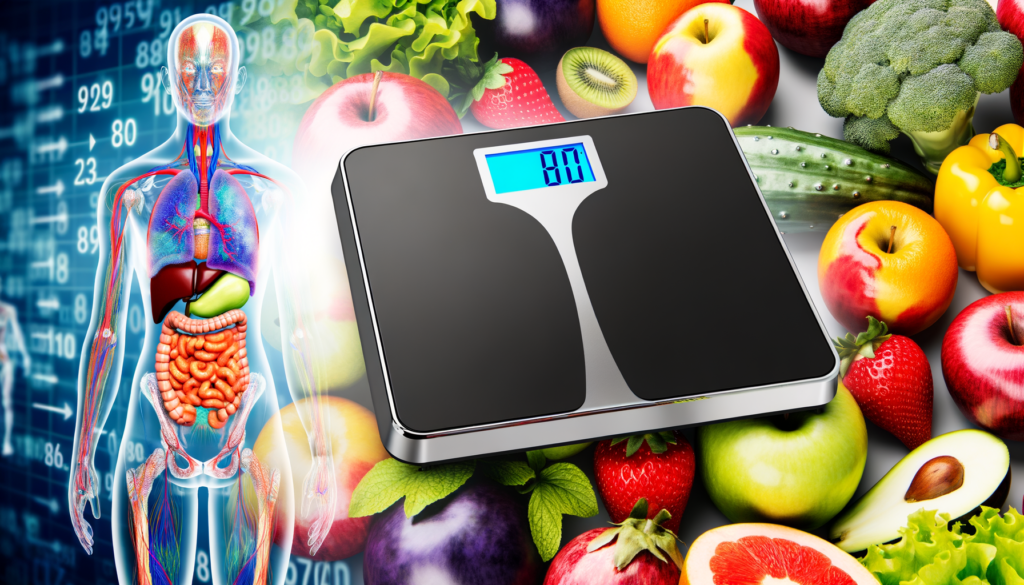
An interactive calorie calculator serves as the foundation for customizing diet plans, tracking weight loss or muscle gain, and offering users insightful feedback about their nutrition. Unlike static blog posts that readers consume and leave, a robust calorie calculator keeps visitors engaged and invested in your content ecosystem. This extended engagement naturally translates into better lead generation, higher conversion rates, and improved search engine rankings.
Consider the difference between reading an article about calorie requirements for weight loss and actually calculating your personal calorie needs based on your age, weight, activity level, and fitness goals. The latter experience is infinitely more valuable because it’s personalized and immediately actionable. This is the power that Calorie Calculator Cloud brings to health bloggers.
Understanding Calorie Calculator Cloud: Universal Compatibility Across All Platforms
One of the most significant advantages of Calorie Calculator Cloud is its remarkable versatility. Whether you manage a site on WordPress, Shopify, Squarespace, or any other website platform, this tool is designed to seamlessly integrate without requiring extensive technical knowledge or custom development work.
This universal compatibility solves a persistent problem that health bloggers face when trying to implement specialized tools. Previously, if you wanted a high-quality calorie calculator on your nutrition blog, you were often limited to whatever plugins or tools were available for your specific platform. You might settle for subpar solutions or pay exorbitant fees for custom development. Calorie Calculator Cloud eliminates these constraints entirely.
The platform works effortlessly across all website platforms, allowing you to provide your readers with a professional, feature-rich calorie calculator regardless of your technical setup. This means health bloggers using WordPress blogs can access the same sophisticated functionality as those running Shopify-based health stores or Squarespace fitness websites.
Key Features That Make Health Bloggers More Effective
Comprehensive Macro Tracking Capabilities
Today’s health-conscious readers understand that calorie counting alone doesn’t tell the complete story. They want insights into macronutrient composition—protein, carbohydrates, and fats—because these elements directly impact their fitness goals and overall health. Calorie Calculator Cloud provides detailed macros tracking that goes far beyond simple calorie calculations.
When your readers use your blog’s calorie calculator, they receive comprehensive breakdowns of their recommended macronutrient distribution. Someone training for muscle gain gets different macro recommendations than someone focused on fat loss or athletic endurance. This level of personalization makes your blog an indispensable resource rather than just another fitness website among thousands.
Seamless Integration with Email Marketing Platforms
The real magic of Calorie Calculator Cloud happens when your readers use the calculator and then opt-in to receive personalized nutrition recommendations. The platform integrates with major email marketing services including ConvertKit, HubSpot, Mailchimp, Active Campaign, and Zapier.
This means when someone calculates their calorie and macro needs on your blog, they can instantly subscribe to your email list and begin receiving personalized nutrition and fitness suggestions tailored to their specific profile. This integration transforms a single calculator interaction into the beginning of a long-term relationship with your audience. Additional integrations including Campaign Monitor, Aweber, Mailpoet, Constant Contact, Salesforce, Sendinblue, customer.io, and Klaviyo are being added to expand your options even further.
Valuable User Behavior Data and Marketing Intelligence
Beyond engaging your readers, Calorie Calculator Cloud provides valuable insights into user behavior. You’ll discover what types of calorie and macro profiles are most common among your audience, which fitness goals are most popular, and how your readers’ needs evolve over time. This data becomes incredibly valuable for shaping your blog content strategy and improving your marketing efforts.
Understanding that forty percent of your audience is interested in muscle gain while thirty percent focus on weight loss tells you exactly what types of articles, recipes, and workout guides will resonate most strongly. This data-driven approach to content creation ensures your health blog remains highly relevant and engaging.
How Health Bloggers Currently Use Calorie Calculators Successfully
To understand the real-world impact of interactive calorie calculators on health blogs, let’s examine how leading nutrition and fitness bloggers leverage these tools.
Fitness Blogs as Lead Generation Engines
Many successful health bloggers treat their calorie calculator as a lead magnet—a valuable tool that provides genuine value while simultaneously building their email list. When someone discovers your blog article about creating a personalized nutrition plan and finds an interactive calculator that instantly gives them their specific calorie and macro targets, they’re far more likely to subscribe for ongoing guidance.
Nutrition Websites Providing Complete Solutions
Progressive nutrition blogs don’t just educate their readers; they empower them with practical tools. By embedding Calorie Calculator Cloud directly into relevant blog posts and creating dedicated calculator pages, these sites transform from information repositories into comprehensive nutrition platforms. Readers can now read an article about MyFitnessPal or other calorie tracking apps, then use your embedded calculator to understand their baseline calorie needs before selecting a specific tracking platform.
Health Coaches Personalizing Client Education
Health coaches and nutrition specialists who maintain blogs use interactive calculators as client education tools. New clients can use the calculator to understand how their calorie needs are calculated, which demystifies the process and builds confidence in the coach’s recommendations. This educational approach often leads to higher client satisfaction and stronger long-term relationships.
The Competitive Advantage: Why Your Health Blog Needs This Now
The health and fitness blogging space has become increasingly competitive. Countless websites offer nutrition advice, workout guidance, and diet plans. What separates the successful health blogs from the mediocre ones is the combination of quality content and interactive tools that keep readers engaged.
When someone searches for “calorie calculator for my fitness goals,” they’re not just looking for information—they’re looking for a tool they can use immediately. By embedding Calorie Calculator Cloud on your health blog, you become the destination they bookmark and return to repeatedly. You transform casual visitors into loyal readers and subscribers.
Consider that major fitness platforms like MyFitnessPal, which boasts a comprehensive food database exceeding eighteen million items, generate massive engagement through their interactive tools. These platforms understand that people want to actively participate in their health journey, not passively consume information about it. Your health blog can capture some of this engagement by providing your own specialized calculators and tools.
Implementation: Getting Started with Calorie Calculator Cloud on Your Health Blog
Step One: Assessing Your Current Blog Setup
Begin by evaluating your existing health blog platform and infrastructure. Whether you’re using WordPress, Shopify, Squarespace, Wix, or any other platform, Calorie Calculator Cloud can integrate seamlessly. Document your current email marketing platform and any other tools you use for audience engagement.
Step Two: Identifying Strategic Placement Opportunities
Map out where a calorie calculator would provide the most value to your readers. This might include dedicated calculator pages, integration within specific blog posts about nutrition planning, embedding in your fitness fundamentals guide, or placement on your homepage as a conversion tool. The best placement depends on your blog’s specific focus and audience needs.
Step Three: Selecting Integration Options
Choose which email marketing and data platform integrations align with your existing tech stack. If you’re using Mailchimp for email marketing, prioritize that integration. If you use HubSpot for comprehensive marketing automation, ensure that integration is enabled. The right integration seamlessly connects your calculator to your existing lead nurturing workflows.
Step Four: Customization and Branding
Calorie Calculator Cloud allows customization to match your health blog’s branding and design aesthetic. Your calculator should feel like a natural extension of your blog, not an awkwardly embedded third-party tool. Customize colors, fonts, and messaging to maintain visual consistency with your site.
Step Five: Launch and Optimization
Launch your interactive nutrition blog with the embedded calculator and monitor user engagement metrics. Track how many visitors use the calculator, how many convert to email subscribers, and what types of calorie profiles are most common. Use this data to refine your content strategy and optimize performance over time.
Measuring Success: Key Metrics for Health Bloggers
Installing Calorie Calculator Cloud on your health blog creates opportunities to measure engagement in new ways. Beyond traditional blog metrics like page views and time on page, you can now track calculator usage patterns.
Calculator Usage Rates
Monitor what percentage of your blog visitors interact with the calculator. Higher usage rates indicate that your content effectively drives people to use the tool, which suggests strong relevance and engagement.
Conversion to Subscriptions
Track how many calculator users opt-in to your email list or subscribe for personalized recommendations. This metric directly impacts your lead generation effectiveness. If your calculator converts fifteen percent of users to subscribers, that’s significantly higher than typical blog opt-in rates, validating the calculator’s value.
Content Engagement Patterns
Analyze which blog posts generate the most calculator activity. If your article about “Calculating Macros for Muscle Gain” drives five times more calculator usage than your weight loss article, that tells you where your audience’s interests lie. This insight should inform your future content strategy.
Email Subscriber Quality
Evaluate the quality of subscribers acquired through the calculator versus other sources. Subscribers who arrived through an interactive tool typically show higher engagement rates with your follow-up emails because they’ve already self-identified their specific fitness goals.
Best Practices for Health Bloggers Using Interactive Calculators
Surround the Calculator with Contextual Content
Don’t simply drop your calculator on a page. Instead, create comprehensive content that explains how to use the calculator effectively, why the recommendations matter, and what to do with the results. A blog post that teaches readers about calorie basics, explains how to use the calculator, provides interpretation guidance, and offers next steps creates a complete educational experience.
Create Personalized Follow-Up Content
When readers calculate their calorie and macro needs through your calculator, they expect relevant follow-up content. If someone determines they need 2,200 calories daily to maintain muscle while training, send them articles about high-protein meal plans, resistance training nutrition timing, and recovery strategies. Personalized content dramatically improves engagement and keeps readers loyal to your health blog.
Regularly Update Your Calculator Information
Ensure your calculator reflects current nutritional science and best practices. As new research emerges about optimal macronutrient ratios for different populations or activity levels, update your calculator recommendations accordingly. Health bloggers who maintain current, evidence-based tools build stronger credibility and trust with their audience.
Integrate with Your Blog’s Overall Strategy
Your interactive nutrition blog should integrate seamlessly with your overall health blogging strategy. If you offer coaching services, the calculator can help prospects understand their baseline needs before scheduling a consultation. If you sell health products or services, the calculator can identify people with specific needs that align with your offerings.
Advanced Strategies: Scaling Your Health Blog with Interactive Tools
Once you’ve successfully implemented Calorie Calculator Cloud, consider advanced strategies to maximize its impact on your health blogging success.
Creating Specialized Calculators for Different Audiences
Different reader segments have different needs. A health blogger could create multiple calculators focused on specific populations: one for athletes training for endurance events, another for people focused on body composition changes, another for older adults managing age-related health concerns. This segmentation allows you to serve diverse audiences more effectively.
Building Calculator-Based Lead Funnels
Design sophisticated lead funnels that begin with your interactive calculator. After using the calculator, readers receive a personalized assessment email, followed by educational content addressing their specific needs, then offers for more advanced resources like detailed nutrition guides, meal plans, or coaching services. This progression creates a natural customer journey from awareness to conversion.
Leveraging Calculator Data for Content Strategy
Use the behavioral data from your calculator to identify emerging topics and reader interests. If your calculator data